
Baby’s Development Up to now the skin of the foetus has hung in loose folds because there is not much fat. Fat depositing commenced in week 19 (17 weeks after conception) but it has been slow, starting from now it’ll happen rapidly. Right now the…
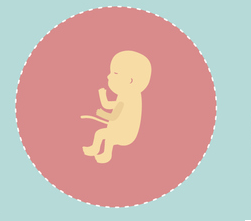

Baby’s Development Up to now the skin of the foetus has hung in loose folds because there is not much fat. Fat depositing commenced in week 19 (17 weeks after conception) but it has been slow, starting from now it’ll happen rapidly. Right now the…
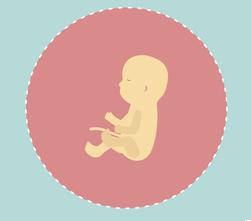
Baby’s Developments Your baby is almost a foot long now and weighs about 700 g. The lungs of the foetus are developing internally and have also started producing surfactant. Surfactant is a substance that stabilises the alveoli (small air sacs in the lungs) and prevents…
Baby’s Developments The foetus is growing fast now and the nostrils, which have been blocked up to now, start to open up and the baby starts ‘breathing in’ amniotic fluid as practice for breathing after birth. During this week, blood vessels will develop in the…
Baby’s Developments This week is an important week for your baby because its eyes that have been sealed shut up to now will open for the first time and it will start to blink. The foetus has 2 perfect sets of eyelashes now and more…
Baby’s Developments This is the last week of the second trimester and your baby measures about 9.8 inches head to toe and weighs about 1 kg now, and looks a lot like what it would look like at birth except a little thinner and shorter.…
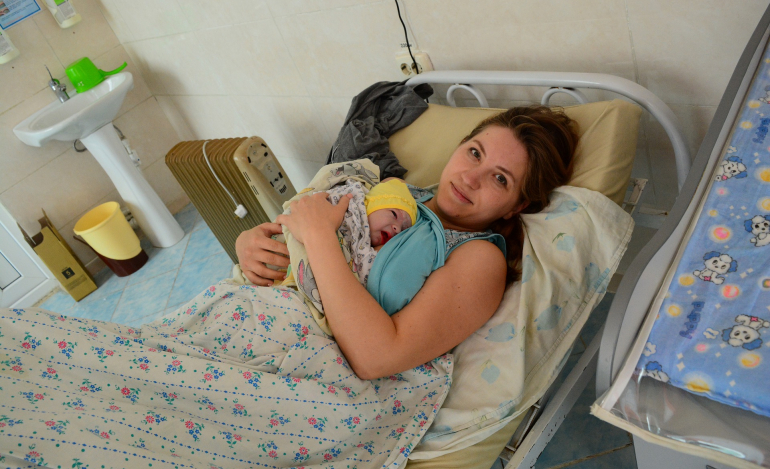
What is normal labour? Normal Labour is a series of contractions of the uterus, which help the cervix to dilate letting the fetus progress through the birth canal. According to The World Health Organization normal birth has been described as; “Spontaneous in onset, low-risk at the…
Baby’s Developments The due date of your baby is calculated as first day of your last periods + 7 days + 9 months So for example, if your last period started on the 21st of January, then your due date would be 21st January +…
Baby’s Developments Unlike sperm which is newly produced throughout a man’s life, a woman is actually born with all her eggs in her 2 ovaries. From the time she hits puberty one egg per month ripens and is released. So now, once your period draws…
Baby’s Developments One egg is released into the fallopian tube. It is in this tube that the egg gets fertilised by a sperm. Although approximately 300 million sperm are released in one go, only one will fertilise your egg. Upon fertilisation, the total genetic makeup…